New Engine Vs Used Engine: Which Choice Is Best for You?
When considering whether to invest in a fresh engine or go with a used one, supporting information numerous factors enter the equation. Budget limitations, intended use, and reliability are crucial elements to assess. Each alternative presents unique advantages and disadvantages. Understanding these nuances will help clarify which option suits specific needs. What factors should be given priority to secure the right decision is made? The discussion continues as we explore the consequences of each option.
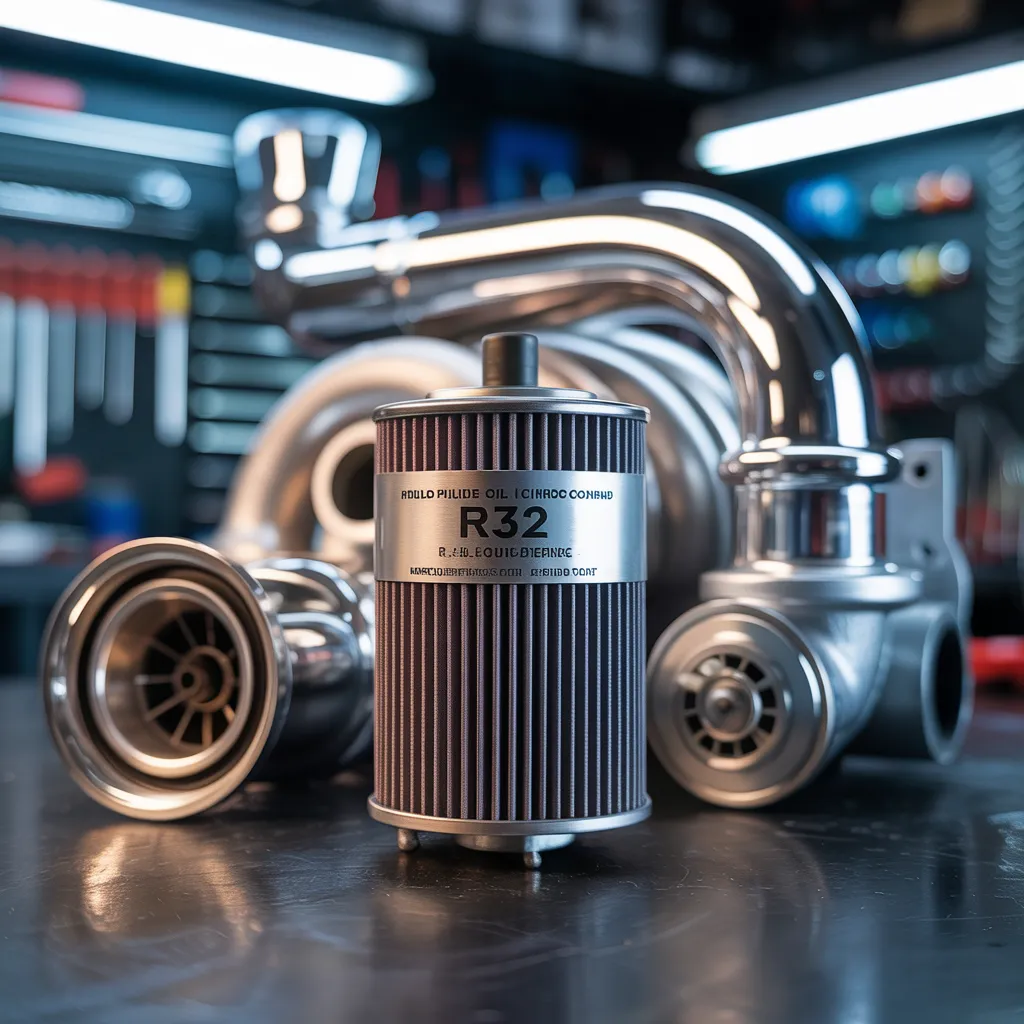
Understanding New vs. Used Engines: A Choice Framework
When evaluating the purchase of an engine, individuals must address the complexities of choosing between a brand-new or pre-owned option. This decision framework involves several critical factors. First, buyers should evaluate their budget, as new engines typically involve higher initial costs, whereas used options can offer significant savings. Next, individuals must examine the intended use of the engine. For high-performance applications, a new engine might provide reliability and advanced technology, whereas a used engine may work well for less demanding tasks.
One more aspect to consider is warranty and support; new engines commonly come with manufacturer warranties, offering peace of mind. Conversely, used engines may have minimal to no warranties, introducing potential risks. Finally, buyers should review the engine's history, condition, and compatibility with their vehicle. By assessing these factors, individuals can make educated decisions that fit their specific needs and financial circumstances.
Why a New Engine Could Be Your Best Bet
Why select a new engine over a used one? Selecting a new engine provides several notable advantages. First and foremost, a new engine delivers reliability and performance, as it is manufactured to the latest specifications and standards. This delivers maximum efficiency and longevity, decreasing the risk of unexpected breakdowns. Furthermore, new engines often come with warranties, ensuring peace of mind and financial protection against potential defects or failures.
Furthermore, developments in technology indicate that modern engines generally offer better fuel efficiency and minimized emissions, meeting environmental concerns and potential economies at the pump. The customization possibilities available for new engines also enable buyers to choose features that best fit their requirements, improving the overall driving experience.
Advantages of Opting for a Used Engine
Opting for a used engine can deliver significant financial savings, making it an appealing choice for many vehicle owners. One of the main benefits is the reduced cost compared to new engines, which can often be prohibitively expensive. This affordability allows owners to dedicate funds to other maintenance or upgrades for their vehicles.
Additionally, used engines are typically readily available, particularly for aging or obsolete versions, ensuring that proprietors can discover matching choices without extensive delays. What's more, several used engines provide a record of performance, which can give information about their trustworthiness and lifespan.
Purchasing a used engine also encourages sustainability by reducing waste and promoting the reuse of existing materials. For those who emphasize both economic efficiency and environmental responsibility, a used engine can be a practical solution, providing a balance of performance and value without the financial strain of new engine purchases.
New vs. Used Engine Costs: Expected Costs
Selecting between a new and used engine involves a careful consideration of costs that can significantly impact a vehicle owner's budget. New engines typically come with a higher price tag, often ranging from several thousand to tens of thousands of dollars, depending on the make and model. This price often includes a warranty, which can provide peace of mind for buyers. In contrast, used engines are generally more economical, with costs differing based on age, condition, and mileage. Prices can span from a few hundred to a few thousand dollars, making them an attractive option for budget-conscious individuals. However, potential buyers should factor in additional costs such as installation and any required modifications. Overall, understanding these cost differences can help vehicle owners make educated decisions that align with their financial situation and long-term vehicle plans.
Reliability and Performance: New Compared to Used Engines
When analyzing the performance and reliability of engines, new engines generally offer substantial benefits over their used counterparts. New engines are constructed with the latest technology and materials, guaranteeing higher efficiency, reduced emissions, and enhanced power output. They experience rigorous testing to meet modern standards, which typically leads to fewer mechanical issues and a longer lifespan.
By comparison, used engines can have wear and tear from past utilization, which may cause reduced performance and reliability. Elements such as maintenance history, mileage, and age can greatly influence their condition. While some used engines can operate adequately, the risk of sudden failures and pricey repairs is higher.
Eventually, for those valuing consistent performance and peace of mind, choosing a new engine can be more beneficial. Used engines may resonate with budget-conscious buyers, but they come with fundamental uncertainties concerning reliability and continued performance.
Warranty and Assistance Considerations
Although new engines typically come with comprehensive warranties that offer comprehensive coverage against defects and failures, used engines commonly lack such guarantees, which can cause unexpected expenses for buyers. New engine warranties typically cover labor and parts for a specified duration, delivering peace of mind and financial protection. Buyers can expect assistance from manufacturers, including ongoing maintenance recommendations and access to customer service.
By comparison, secondhand engines may come with little to no warranty protection, leaving purchasers accountable for any repair costs. This lack of coverage can add complexity to the purchasing decision, as prospective purchasers must assess the engine's history and condition. Additionally, the access to support may fluctuate, with some sellers giving inadequate assistance. As a consequence, customers evaluating their options must evaluate the benefits of comprehensive warranty safeguards against the possible hazards connected to purchasing a secondhand engine, assessing both their spending capacity and their preparedness to handle unexpected repairs.
Is One Option More Environmentally Friendly?
How do new engines stack up against used engines in terms of environmental impact? New engines usually integrate advanced technologies intended to boost fuel efficiency and reduce emissions. They frequently meet tougher environmental regulations, creating lower carbon footprints. Nevertheless, the manufacturing process of a new engine consumes considerable resources and energy, contributing to environmental degradation.
In contrast, second-hand engines, while potentially less efficient, support sustainability by prolonging the life of existing materials and decreasing waste. Their production has already led to environmental impact, making their use a more eco-friendly option in some cases.
Ultimately, the environmental advantages of each option rely on various factors, including the specific engine models and their operational efficiencies. For those prioritizing sustainability, considering the lifecycle emissions and resource use of both new and used engines is essential in making an informed decision.
FAQ
How Can I Find a Reputable Used Engine Seller?
To discover a trustworthy used engine vendor, one should investigate online reviews, ask for recommendations from trusted mechanics, validate warranties, and confirm the dealer provides full engine history and compatibility information for individual vehicle requirements.
Is It Possible to Install a New Engine on My Own?
Installing a new engine oneself is possible, assuming you have proper mechanical skills, equipment, and knowledge of the vehicle. However, professional assistance is recommended to guarantee proper installation and eliminate potential complications.
What Are Typical Problems With Used Engines?
Standard concerns regarding used engines encompass fluid leaks, substantial wear and tear, timing belt malfunctions, and overheating. Moreover, undocumented maintenance background and possible concealed issues can lead to unexpected performance problems after installation. Performance consistency may differ substantially.
How Long Can You Expect New Engines to Last?
Brand new engines typically last between 150,000 and 300,000 miles, subject to maintenance and driving conditions. Regular upkeep, component quality, and driving habits significantly influence their longevity and overall performance during their service life.
Are There Payment Plans for New Engines?
Yes, multiple financing options are offered for new engines, including loans from banks, credit unions, and dealership financing. These choices allow customers to effectively manage expenses while purchasing a dependable engine for their vehicle.